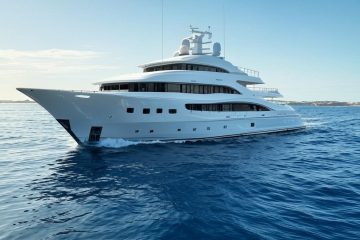
The Torres Strait, a vibrant and culturally rich region between Queensland’s Cape York Peninsula and Papua New Guinea, offers one of Australia’s most extraordinary boating experiences. This network of over 270 islands, coral cays, and turquoise waters is a haven for adventurous boaters seeking remote beauty, diverse marine life, and a deep connection to Indigenous culture. However, its strong tides, shallow reefs, and remote location demand careful preparation and respect for both the environment and traditional custodians. This comprehensive guide explores the wonders of boating in the Torres Strait, providing practical tips, safety advice, and insights into navigating this unique Australian waterway, ensuring a safe and unforgettable adventure.
Discovering the Torres Strait
The Torres Strait spans approximately 150 kilometers, connecting the Coral Sea to the Arafura Sea, and is dotted with islands ranging from lush, inhabited communities to uninhabited sand cays. Key islands like Thursday Island, Horn Island, and Badu Island serve as hubs for boaters, offering basic amenities and cultural experiences. The region’s crystal-clear waters teem with marine life, including dugongs, turtles, and tropical fish, while its coral reefs rival those of the Great Barrier Reef.
Boating in the Torres Strait is unlike any other Australian experience. The region’s strong tidal currents, shallow passages, and tropical climate create challenging yet rewarding conditions. It’s a destination for experienced boaters who crave adventure, whether cruising between islands, fishing for barramundi, or exploring Indigenous heritage. The Torres Strait is also culturally significant, home to the Torres Strait Islander peoples, whose traditions and connection to the sea shape the region’s identity.
For those ready to embark on this adventure, owning a suitable boat is essential. Whether it’s a sturdy cruiser for island hopping or a sailing yacht for coastal exploration, you can find the perfect vessel on RunBoats’ listings at https://www.runboats.com.au, where dealers and private sellers offer boats tailored to remote Australian waters.
Choosing the Right Boat for the Torres Strait
Navigating the Torres Strait requires a boat capable of handling strong currents, shallow waters, and long distances. Here are key considerations:
- Hull Design: Boats with a shallow draft (less than 1.5 meters) and robust hulls, such as aluminium runabouts or catamarans, are ideal for navigating shallow channels and coral reefs. For longer passages, consider a displacement-hull cruiser for stability.
- Engine Reliability: A reliable outboard or inboard diesel engine is crucial for tackling strong tides, which can exceed 4 knots in narrow channels. Twin engines or a backup outboard are recommended for remote areas with limited repair facilities.
- Range and Fuel Capacity: The Torres Strait’s remote nature means refueling points are scarce, with Thursday Island and Horn Island as primary hubs. Choose a boat with a fuel range of at least 200 nautical miles for safe island hopping.
- Amenities: For multi-day trips, prioritize boats with sleeping berths, a galley, and a marine toilet. Solar panels or a generator ensure power for navigation and comfort in remote anchorages.
Browse RunBoats’ listings at https://www.runboats.com.au to find vessels equipped for the Torres Strait, with detailed specifications to match your adventure needs.
Essential Gear for Torres Strait Boating
Equipping your boat with the right gear is critical for safety and comfort in the Torres Strait’s remote waters. The Australian Maritime Safety Authority (AMSA) mandates specific equipment, but additional gear is necessary for this region. Here’s a checklist:
- Life Jackets: Every passenger must have an AMSA-approved Type 1 PFD, especially given the strong currents and open waters. Ensure life jackets are fitted correctly, particularly for children.
- Navigation Tools: A GPS chartplotter with Torres Strait charts (e.g., Navionics Australia) is essential for navigating complex channels and reefs. Carry physical charts as a backup, available from marine suppliers like Boat Books Australia.
- Communication Devices: A VHF marine radio and a satellite phone are vital, as mobile coverage is unreliable beyond major islands. An EPIRB, registered with AMSA, is mandatory for emergencies in remote areas.
- Anchoring Equipment: A plough or reef anchor with at least 50 meters of rode (including 10 meters of chain) suits the Torres Strait’s sandy and coral bottoms. Carry a spare anchor for emergencies.
- Safety Gear: A comprehensive first aid kit, including supplies for jellyfish stings (common in tropical waters), is essential. Flares and a bilge pump are required by AMSA for offshore waters.
- Environmental Protection: Use biodegradable toiletries and waste containers to comply with Great Barrier Reef Marine Park Authority (GBRMPA) regulations, protecting the region’s fragile ecosystems.
Marine stores in Cairns or Thursday Island stock gear suited for the Torres Strait, ensuring you’re prepared for this unique adventure.
Planning Your Torres Strait Boating Adventure
Careful planning is essential for a safe and enjoyable trip. Here’s how to prepare:
Research Routes and Anchorages
The Torres Strait’s complex geography requires thorough research. Key routes include passages from Cairns to Thursday Island (approximately 400 nautical miles) or shorter island-hopping trips between Horn, Badu, and Moa Islands. Popular anchorages include:
- Twin Island, Prince of Wales Channel: A sheltered anchorage with good holding in sand, ideal for overnight stops en route to Thursday Island. Beware of strong tidal currents.
- Bet Reef, near Badu Island: A calm anchorage in calm conditions, with access to snorkeling and fishing. Check GBRMPA zoning for restrictions.
- Rennel Island: A remote anchorage with coral surroundings, perfect for experienced boaters. Use a reef anchor to avoid damaging coral.
Consult Queensland’s Maritime Safety Queensland (www.msq.qld.gov.au) and GBRMPA (www.gbrmpa.gov.au) for charts, zoning, and anchoring restrictions. Local guides, available in Cairns, provide insights into lesser-known spots.
Check Weather and Tides
The Torres Strait’s tropical climate brings distinct wet (November–April) and dry (May–October) seasons. The dry season is ideal for boating, with calmer seas and southeast trade winds. During the wet season, monitor cyclone warnings via the Bureau of Meteorology (www.bom.gov.au). Tidal ranges can exceed 4 meters, creating currents up to 7 knots in narrow channels like the Prince of Wales Channel. Use tide charts to time passages and anchorages, ensuring safe navigation.
Obtain Permits
Boating in the Torres Strait requires compliance with GBRMPA regulations, especially within the Great Barrier Reef Marine Park. Obtain permits for anchoring or fishing in protected zones, available online at www.gbrmpa.gov.au. Respect Indigenous land and sea country by seeking permission from traditional custodians, particularly for landing on islands like Mer or Erub.
Plan Fuel and Supplies
Fuel is available at Thursday Island and Horn Island, but remote islands lack facilities. Carry extra fuel (in approved containers) and water, as well as non-perishable food for at least a week. A watermaker is recommended for extended trips to reduce reliance on shore supplies.
Navigating the Torres Strait’s Challenges
The Torres Strait presents unique navigational challenges:
- Strong Tides and Currents: Channels like the Prince of Wales Channel experience currents up to 7 knots. Plan passages during slack tide (when currents are weakest) using tide tables. A powerful engine and a high-thrust propeller (e.g., 4-blade stainless steel) ensure control.
- Shallow Reefs and Shoals: Coral reefs and sandbars are common, especially near Badu and Moa Islands. Use a depth sounder and chartplotter to avoid grounding. Navigate during high tide for greater clearance.
- Remote Location: The Torres Strait’s isolation means limited access to repairs or emergency services. Carry spare parts (e.g., impeller, belts) and a comprehensive toolkit. Ensure your EPIRB and VHF radio are functional.
- Marine Hazards: Box jellyfish and crocodiles are present in northern waters. Avoid swimming in murky areas and use stinger suits for snorkeling. Check local warnings at www.qld.gov.au.
Cultural Sensitivity and Indigenous Heritage
The Torres Strait is home to the Torres Strait Islander peoples, whose culture is deeply tied to the sea. Acknowledge traditional custodians, such as the Kaurareg people on Thursday Island or the Meriam people on Mer Island, in your planning. Follow these guidelines:
- Seek Permission: Contact local Indigenous authorities or land councils before landing on islands. Some areas, like sacred sites, are restricted.
- Respect Customs: Learn about local protocols, such as avoiding fishing in culturally significant areas. The Torres Strait Regional Authority (www.tsra.gov.au) provides cultural guidelines.
- Support Communities: Purchase supplies or hire guides from local businesses on Thursday Island or Horn Island to support the regional economy.
By respecting Indigenous heritage, you contribute to preserving the Torres Strait’s cultural and environmental legacy.
Top Boating Activities in the Torres Strait
The Torres Strait offers a range of activities to enhance your adventure:
- Fishing: The region is renowned for barramundi, coral trout, and Spanish mackerel. Check Queensland’s fishing regulations at www.daf.qld.gov.au for size and bag limits. Use sustainable practices to protect fish stocks.
- Snorkeling and Diving: Coral reefs around Bet Reef and Rennel Island offer vibrant marine life. Follow GBRMPA guidelines for safe diving and use a dive flag.
- Island Exploration: Visit Thursday Island for its historic pearling sites or Badu Island for cultural tours. Many islands have walking trails showcasing tropical flora and fauna.
- Photography: Capture the Torres Strait’s stunning sunsets and turquoise waters with a waterproof camera. Anchorages like Twin Island provide breathtaking backdrops.
Safety Tips for Torres Strait Boating
Safety is critical in the Torres Strait’s remote and challenging waters:
- AMSA Compliance: Ensure all safety equipment meets AMSA standards, including life jackets, flares, and an EPIRB. Visit www.amsa.gov.au for a checklist.
- Emergency Preparedness: Register your EPIRB with AMSA and carry a satellite phone for reliable communication. Inform a contact of your itinerary and expected return.
- Weather Monitoring: Tropical storms and cyclones are risks during the wet season. Monitor forecasts via the Bureau of Meteorology and seek shelter in marinas like Horn Island if conditions worsen.
- Crew Briefing: Brief passengers on safety procedures, including life jacket use, emergency exits, and radio operation. Ensure everyone knows the location of safety gear.
Maintenance Tips for Torres Strait Boating
Maintaining your boat in the Torres Strait’s harsh conditions is essential:
- Engine Care: Saltwater and high humidity accelerate corrosion. Flush your engine with fresh water after each trip and check the impeller regularly. Carry spare parts for remote repairs.
- Hull Protection: Inspect your hull for coral or reef damage, common in shallow passages. Apply antifouling paint suited for tropical waters, available from marine stores in Cairns.
- Propeller Maintenance: Strong currents can stress propellers. Use a stainless steel, high-thrust propeller (e.g., 4-blade) and inspect for dings or cavitation after each trip.
- Electrical Systems: Protect electronics from humidity with waterproof covers. Use solar panels or a generator to maintain power in remote areas.
For boats listed on RunBoats, ensure your vessel is in top condition to attract buyers, highlighting its suitability for Torres Strait adventures.
Environmental Considerations
The Torres Strait’s ecosystems are fragile, particularly its coral reefs and seagrass beds. Follow these guidelines:
- Adhere to GBRMPA Rules: Avoid anchoring on coral reefs and use public moorings where available. Obtain permits for anchoring or fishing in protected zones.
- Minimize Waste: Use biodegradable products and store waste in sealed containers. Discharge greywater only in designated areas, as per Queensland regulations.
- Protect Wildlife: Maintain a safe distance from dugongs, turtles, and seabirds. Avoid disturbing nesting sites on islands like Rennel or Mer.
Enhancing Your Torres Strait Adventure
Make your trip unforgettable with these tips:
- Cultural Experiences: Join guided tours on Thursday Island to learn about Torres Strait Islander history, including pearling and traditional navigation techniques.
- Fishing: Target species like barramundi in estuaries or coral trout near reefs. Use barbless hooks to minimize fish stress.
- Photography: Capture the region’s vibrant sunsets and marine life. Anchorages like Bet Reef offer stunning vistas for photography enthusiasts.
- Community Engagement: Connect with local boating clubs in Cairns or Thursday Island for tips and camaraderie. Share your experiences with the RunBoats community to inspire others.
Conclusion
Boating in the Torres Strait is a once-in-a-lifetime adventure, blending stunning natural beauty, rich Indigenous culture, and challenging navigation. By choosing the right boat, equipping it with essential gear, planning carefully, and respecting the environment and traditional custodians, you can ensure a safe and rewarding experience. Whether anchoring near Twin Island or exploring the reefs of Badu, the Torres Strait offers endless possibilities for adventurous boaters.Ready to explore the Torres Strait? Visit https://www.runboats.com.au to browse boat listings and find the perfect vessel for your tropical adventure. Share your Torres Strait stories with our community and inspire others to discover this unique Australian waterway!