The Great Barrier Reef — a 2,300-kilometer masterpiece of coral, fish, and turquoise wonder — isn’t just Australia’s crown jewel; it’s a global icon. Stretching along Queensland’s coast, this UNESCO World Heritage Site is the planet’s largest living structure, and there’s no better way to explore it than by boat. From snorkeling over vibrant reefs to fishing for trophy catches, boating here is a front-row ticket to nature’s greatest show. Whether you’re a day-tripper or a multi-day adventurer, this guide will steer you through the Great Barrier Reef — your aquatic playground awaits.
Why Boat the Great Barrier Reef?
Planes can’t dive, and land won’t float — boats unlock the reef’s magic. With over 2,900 reefs and 900 islands, it’s a labyrinth of beauty best seen from the water. The reef’s protected waters suit all boaters — calm shallows for novices, deep drops for pros. Plus, you’re in the driver’s seat, free to chase turtles, drop anchor, or just soak in the view. Ready? Let’s navigate this boating paradise.
Where to Start: Your Launch Pads
The reef spans from Bundaberg to Cape York, so pick your base:
- Cairns: The big player — marinas, charters, and reef access galore.
- Port Douglas: Quieter, closer to outer reefs like Agincourt.
- Airlie Beach: Gateway to the Whitsundays — reefs plus islands.
- Townsville: Near Magnetic Island and wrecks like the Yongala.
www.runboats.com.au has your vessel — think catamarans, yachts, or runabouts — tailored to your trip.
A 5-Day Reef Adventure
Day 1: Cairns to Fitzroy Island
- Distance: 15 nautical miles
- Highlights: Depart Cairns, moor at Fitzroy Island. Snorkel coral gardens or hike to the lighthouse — views stun.
- Vibe: Easy intro — family-friendly waters.
Day 2: Fitzroy to Green Island
- Distance: 20 nautical miles
- Highlights: Cruise to Green Island, a cay with reef at your doorstep. Swim with parrotfish or glass-bottom boat it.
- Tip: Anchor early — day-trippers arrive by 10am.
Day 3: Green to Low Isles
- Distance: 25 nautical miles
- Highlights: Sail to Low Isles via Port Douglas. Snorkel with turtles, explore the lighthouse, or fish for trevally.
- Boat Choice: A catamaran — stable for reef hops.
Day 4: Low Isles to Lizard Island
- Distance: 60 nautical miles
- Highlights: Push north to Lizard Island, a luxury-meets-wild gem. Dive Cod Hole — giant groupers await.
- Tip: Pack extra fuel — remote vibes kick in.
Day 5: Lizard back to Cairns
- Distance: 80 nautical miles
- Highlights: Return with a stop at Ribbon Reefs for one last snorkel. Dock in Cairns with reef tales aplenty.
- Wrap-Up: Celebrate at a waterfront pub.
What to See and Do
Snorkeling & Diving
- Hotspots: Hardy Reef (Whitsundays), Agincourt Reef (Port Douglas), Cod Hole (Lizard Island)
- Stars: Clownfish, coral trout, manta rays — bring a mask.
- Tip: Rent gear or BYO — visibility’s 15-30m.
Fishing
- Species: Marlin (Cairns), coral trout (everywhere), barracuda
- Zones: Check marine park rules — some areas are catch-and-release.
- Gear: Heavy tackle for offshore, light rods for reefs.
Wildlife
- Spot: Turtles, reef sharks (harmless), dugongs if you’re lucky.
- Whales: Humpbacks migrate June to September — epic sightings.
- Birds: Seabirds nest on cays like Michaelmas.
Islands
- Must-Visits: Heron Island (diving), Lady Elliot (eco-vibes), Dunk Island (rainforest meets reef)
- Access: Shallow drafts rule — pick a runabout or dinghy.
Planning Your Reef Trip
Best Time
- Dry Season: May to October — clear skies, calm seas (20-28°C).
- Wet Season: November to April — hot, humid, with stinger risks (wear suits).
Boats
- Catamarans: Spacious, stable — great for groups.
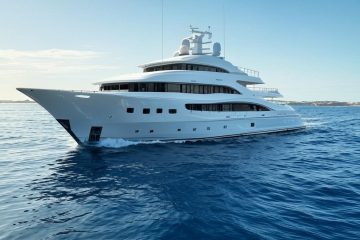
- Yachts: Long-range luxury — ideal for multi-day.
- Charters: Skippered options for ease — browse www.runboats.com.au.
- Note: Bareboating’s big here — no license, just a briefing.
Navigation
- Charts: Essential — reefs pop up fast. GPS apps help.
- Hazards: Coral heads and tides — stick to marked channels.
- Moorings: Use public buoys — anchors damage coral.
Gear
- Essentials: Snorkel kit, sunscreen (reef-safe), water — lots of it.
- Extras: Underwater camera, fishing rods, cooler for catches.
Rules
- Marine Parks: Green zones are no-take — fish only in yellow or blue.
- Permits: Some islands (e.g., Lizard) need bookings — check GBRMPA.
- Stingers: Box jellyfish lurk in summer — cover up.
Beyond the Basics: Hidden Gems
- Upolo Cay: A sand speck with unreal snorkeling — near Cairns.
- Batt Reef: Where Steve Irwin filmed — pristine and quiet.
- Frankland Islands: Off Mission Beach — uncrowded coral bliss.
These lesser-known spots reward the curious — plot them in.
Why It’s a Boater’s Dream
The Great Barrier Reef blends accessibility with awe. Day trips from Cairns hit outer reefs in hours, while multi-day cruises unlock remote wonders like Lizard Island. It’s boating freedom — your pace, your picks. The reef’s scale means every trip’s different — shallow lagoons one day, deep drop-offs the next.
Safety & Sustainability
- Weather: Check BOM forecasts — cyclones hit November to April.
- Safety: Life jackets, VHF radio, EPIRB — remote areas demand prep.
- Eco-Tips: No litter, no touching coral — keep it pristine.
Final Thoughts: Dive Into the Reef
Exploring the Great Barrier Reef by boat is more than a trip — it’s a plunge into a living wonderland. From Green Island’s gentle shallows to Lizard Island’s wild edges, every nautical mile dazzles. Whether you’re snorkeling with turtles, fishing for marlin, or just drifting in turquoise bliss, this is Australia’s boating pinnacle. Head to www.runboats.com.au, snag your ride, and set sail. The reef’s alive — will you join it?